

QPDK — Superconducting Quantum Process Design Kit#





QPDK is an open-source process design kit (PDK) for superconducting quantum RF applications built on gdsfactory. It provides a library of parametric quantum circuit components (transmon qubits, CPW resonators, Josephson junctions, etc.), analytical S-parameter models, routing utilities, and test-chip examples.
QPDK gives researchers, engineers, and students a scriptable, version-controlled foundation to go from concept to GDSII in minutes.
Key Features#
Rich component library — Transmons, fluxonium, unimon qubits, CPW resonators, interdigital capacitors, SQUID junctions, launchers, bump bonds, TSVs, and more.
Parametric & composable — Combine Python functions (
@gf.cell) into hierarchical designs or define full chips in YAML.Analytical circuit models — Fast, differentiable S-parameter simulations powered by SAX and JAX.
Automated routing — CPW-aware routing strategies with auto-tapers for complex layouts.
KLayout integration — Layer definitions, technology files, and cross sections for immediate visual inspection.
Regression-tested — GDS regression tests, netlist checks, and model validation.
Notebook-driven workflows — Jupyter notebooks for frequency modeling, tolerance analysis, parameter extraction, pulse-level simulation, and optimization.
GDSFactory+ integration — Seamlessly design, verify, and validate chips with the enhanced commercial extension. Includes access to 43+ foundry PDKs, graphical layout and schematic editors directly in VSCode, an AI assistant, and comprehensive verification tools (DRC, LVS, Connectivity checks). See the QPDK graphical workflow tutorial.
Notable Components#
QPDK ships with a broad set of ready-to-use superconducting circuit components. Browse all the components in the documentation.
Qubits#
Transmon |
Fluxonium |
|---|---|
Double-pad capacitively shunted qubit |
Superinductance-shunted qubit |
|
|
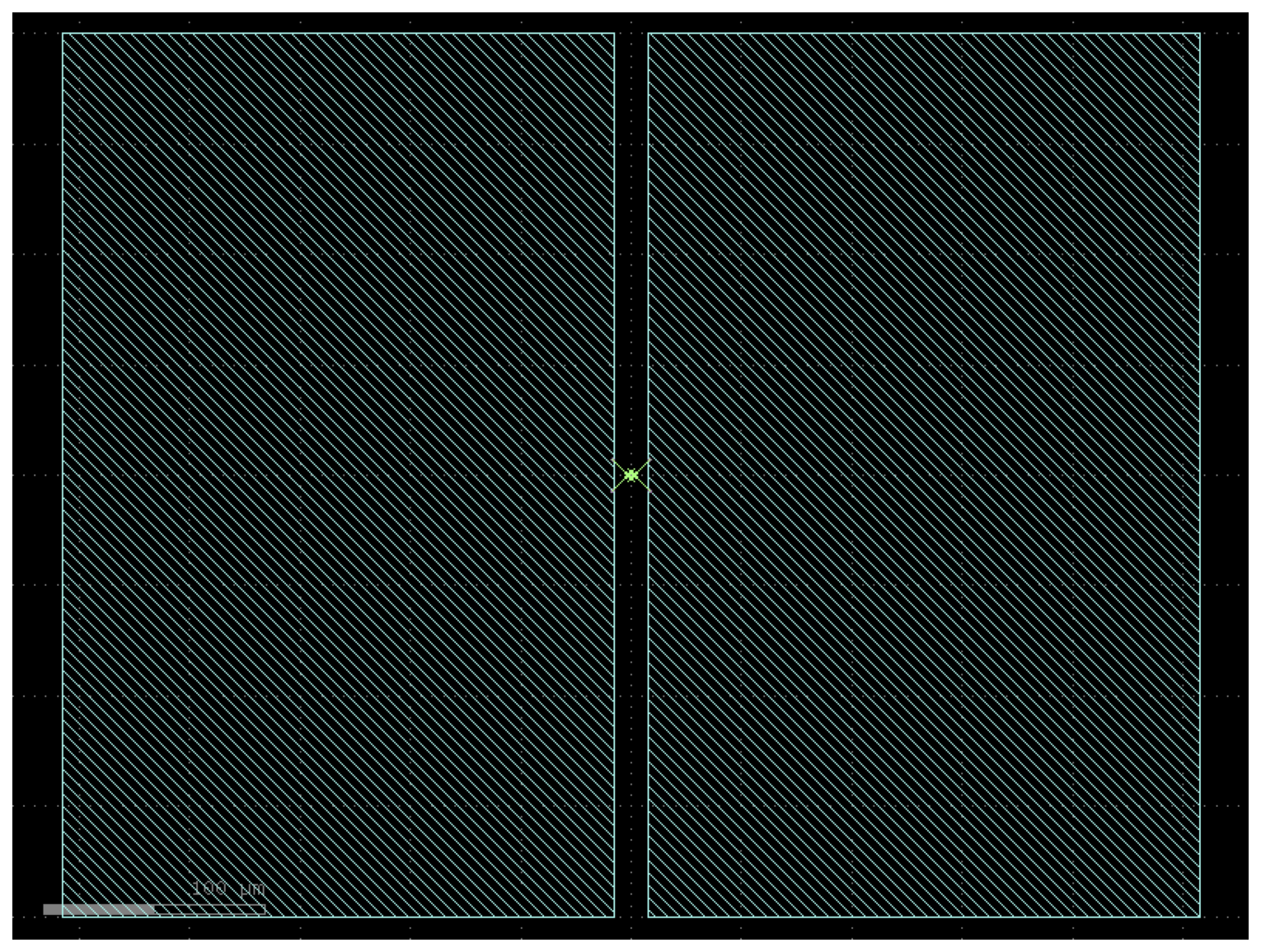
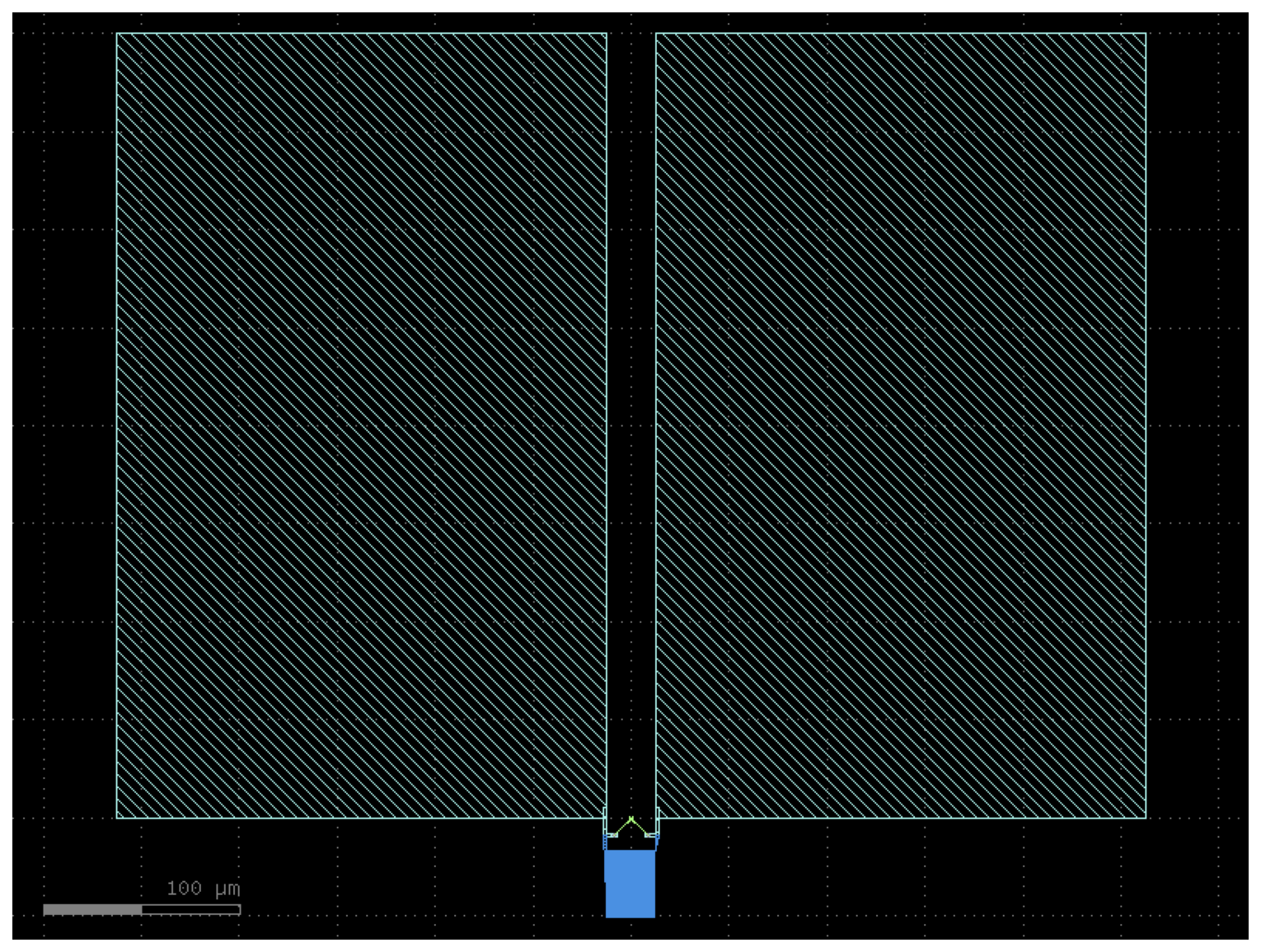
Unimon |
SQUID Junction |
|---|---|
Resonator-embedded junction qubit |
Superconducting quantum interference device |
|
|
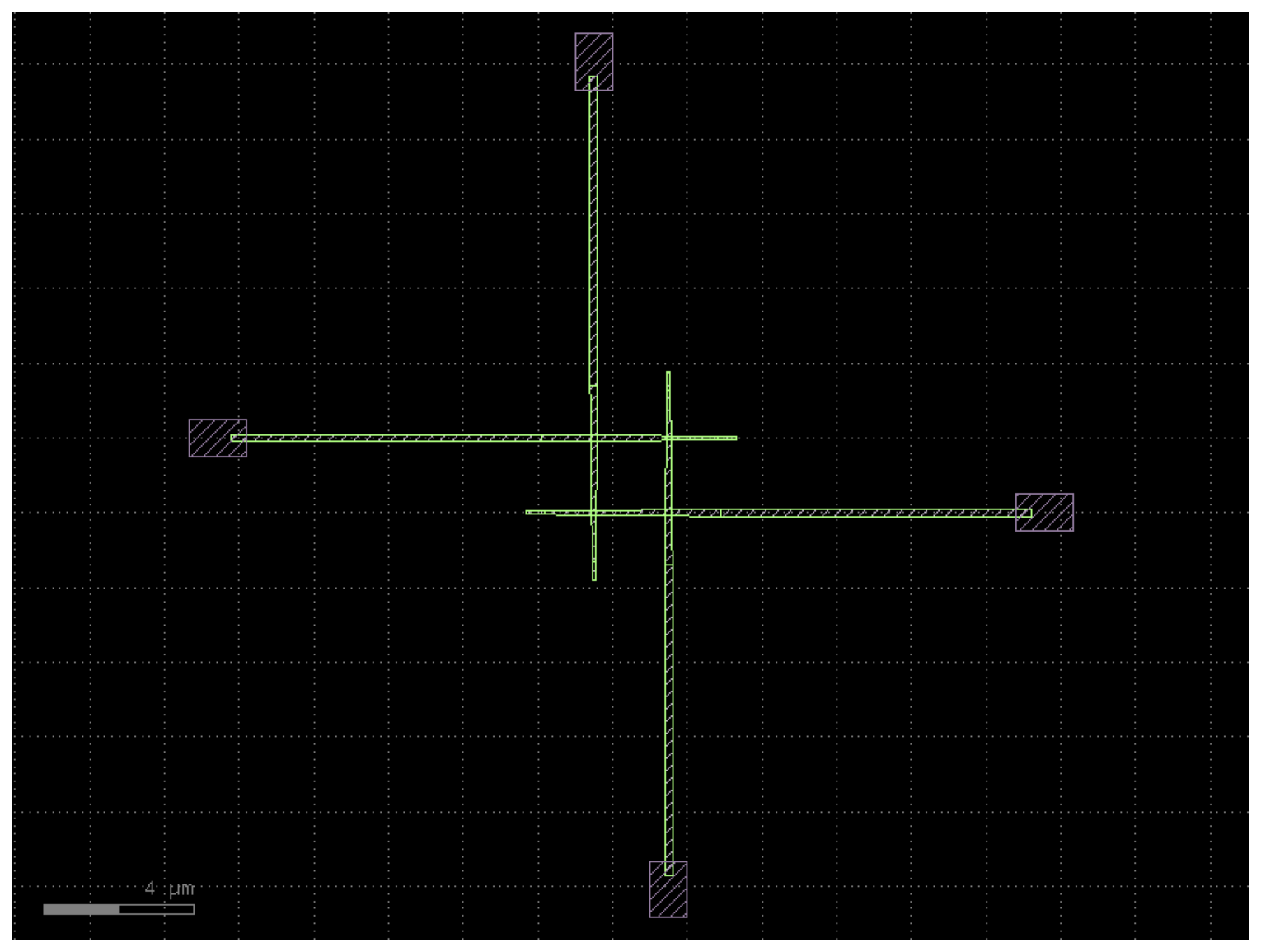
Passive Components#
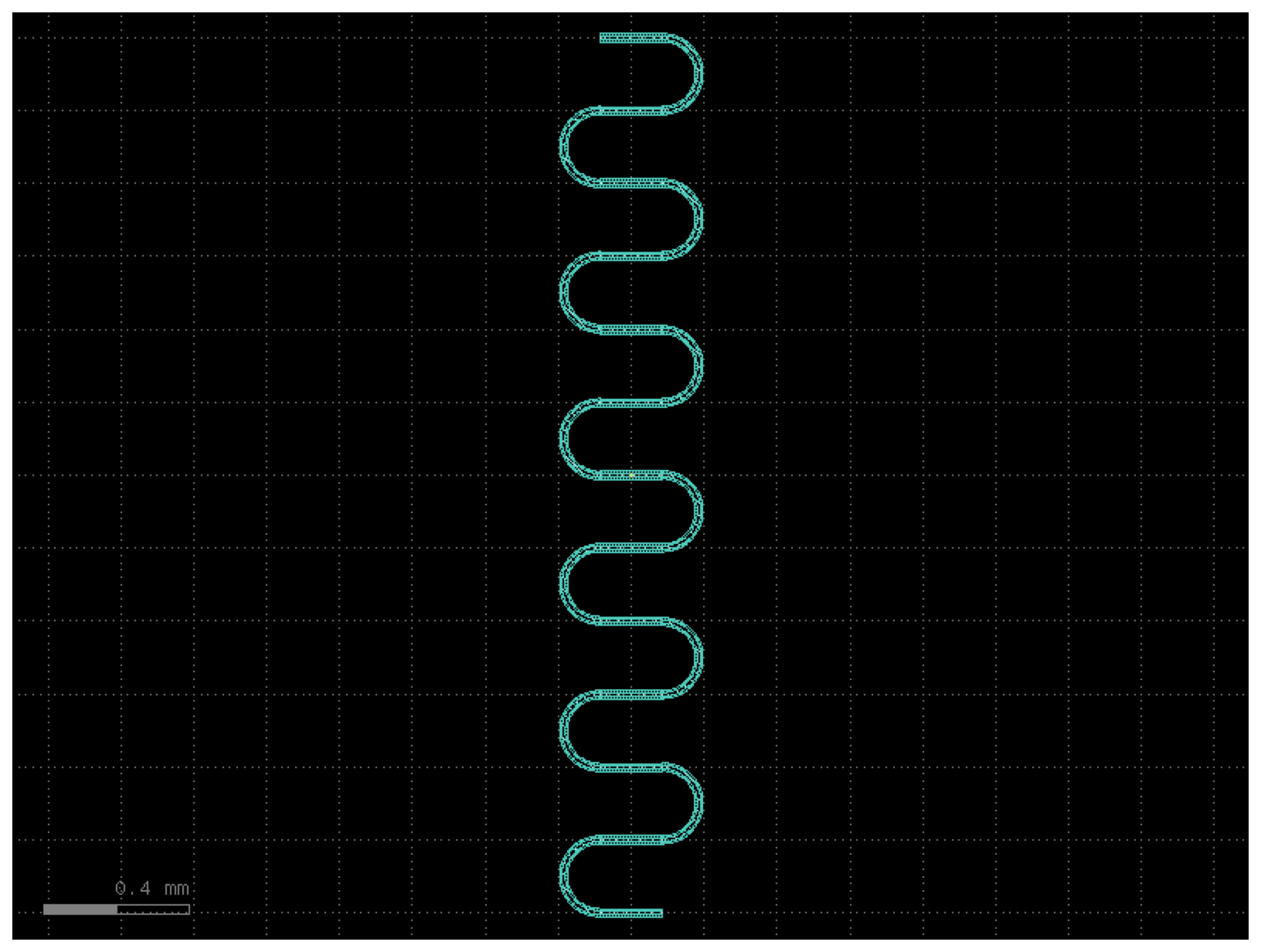
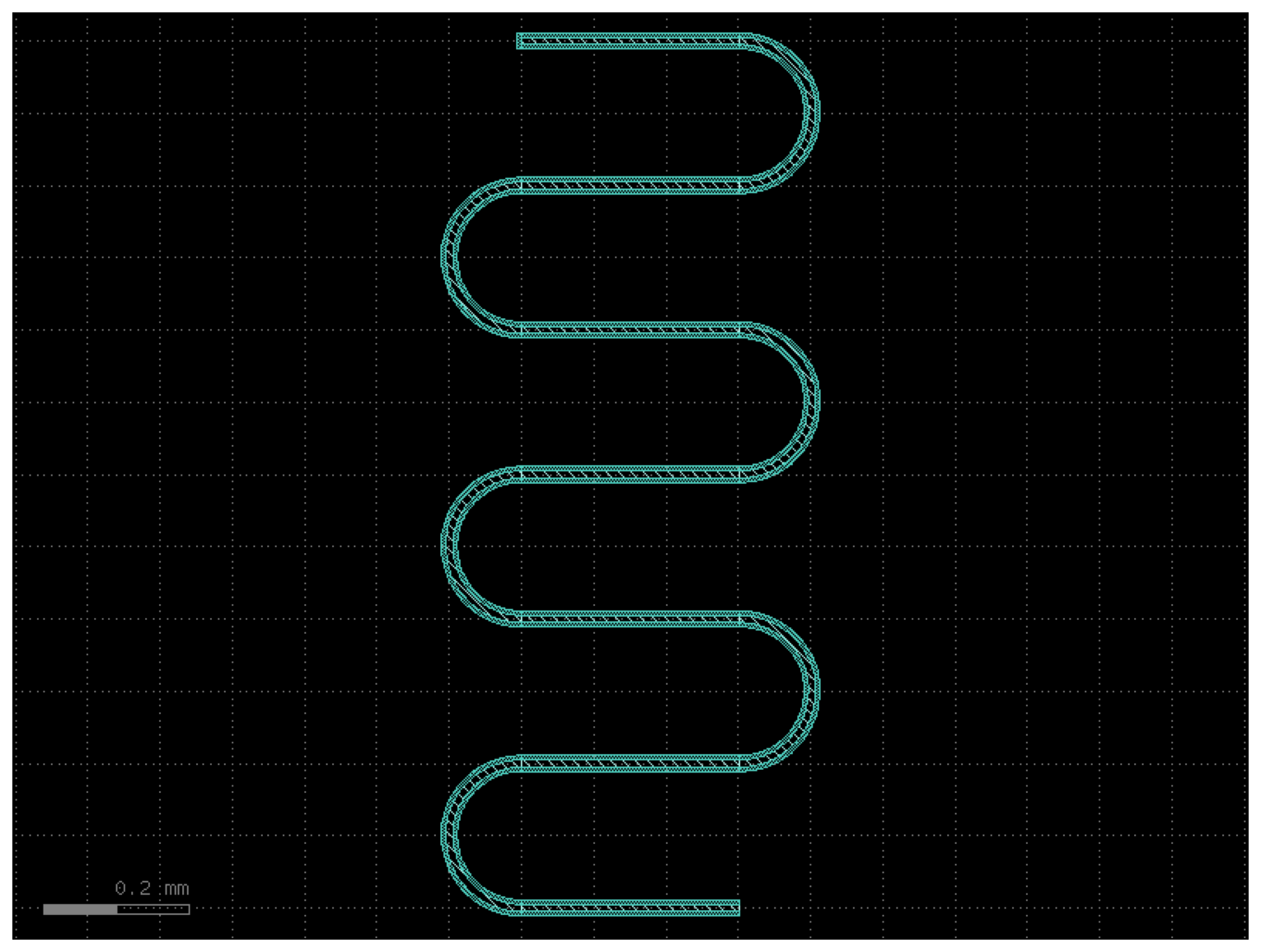
CPW Resonator |
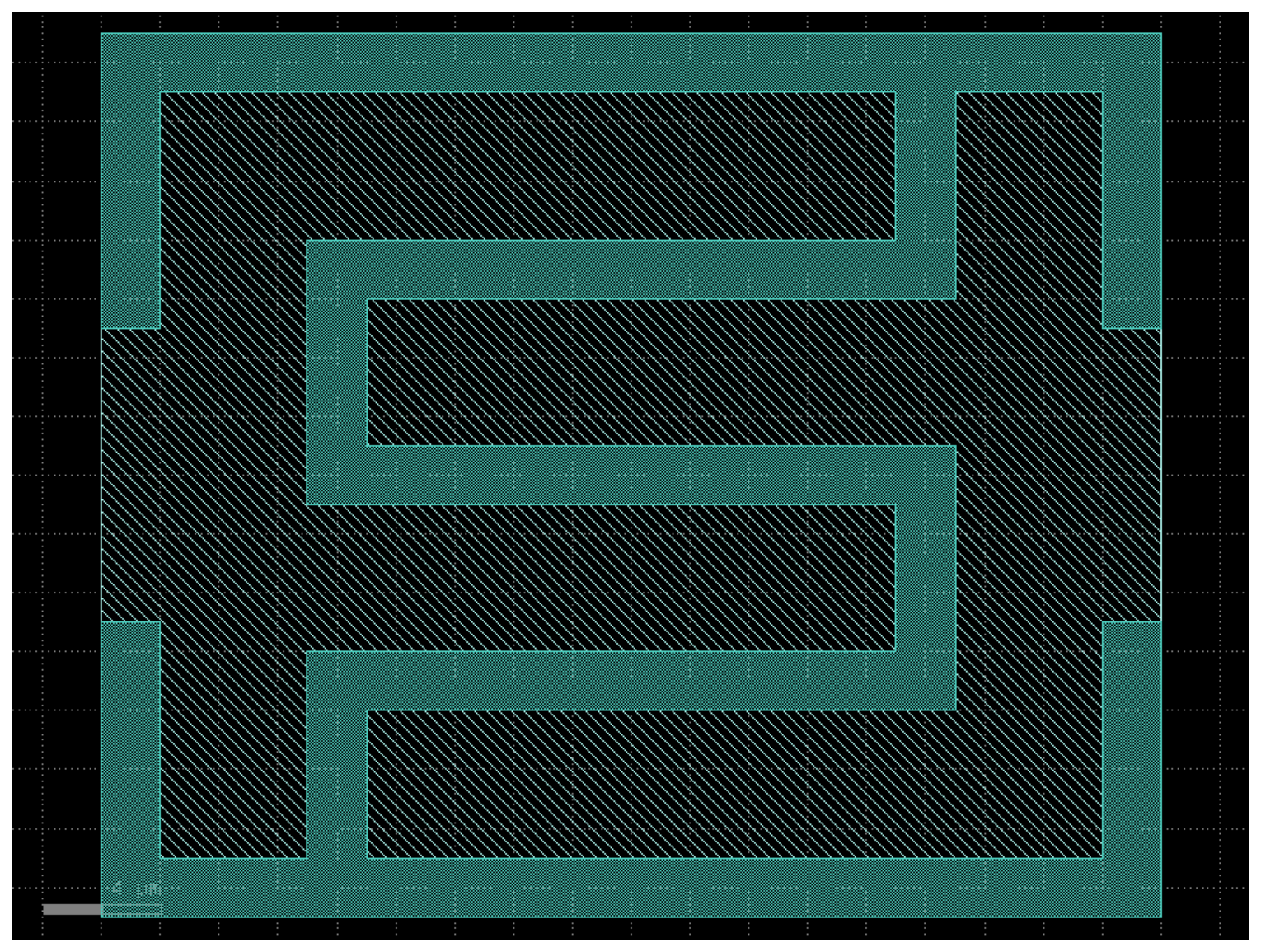
Interdigital Capacitor |
|---|---|
Meandering coplanar waveguide resonator |
Finger-style lumped-element capacitor |
|
|
Composite Components#
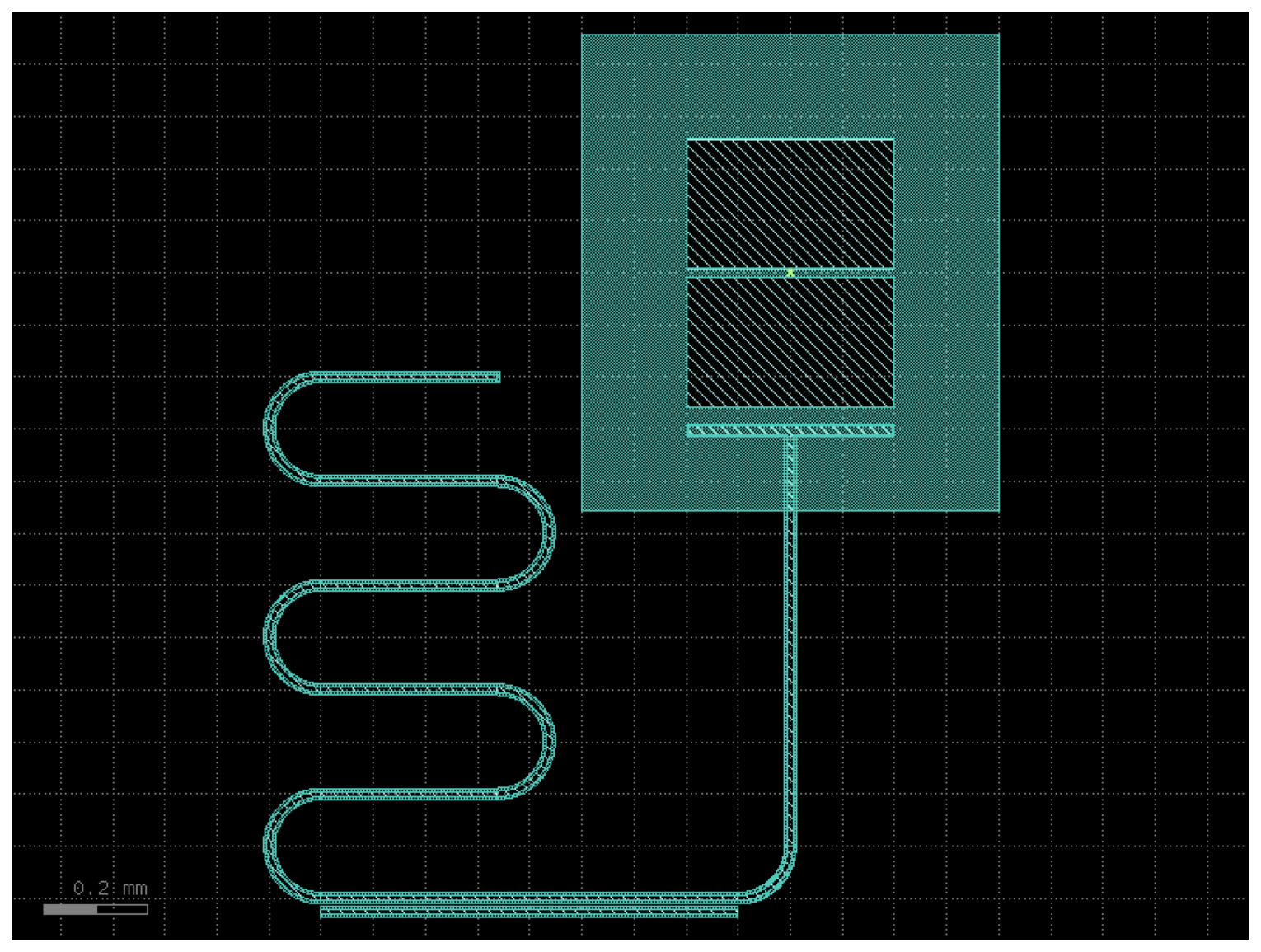
Transmon with Resonator & Probeline — Qubit cell with coupled resonator and probeline section:
Sample Test Chips#
QPDK includes some complete, tapeout-ready test chip examples that demonstrate real-world design workflows.
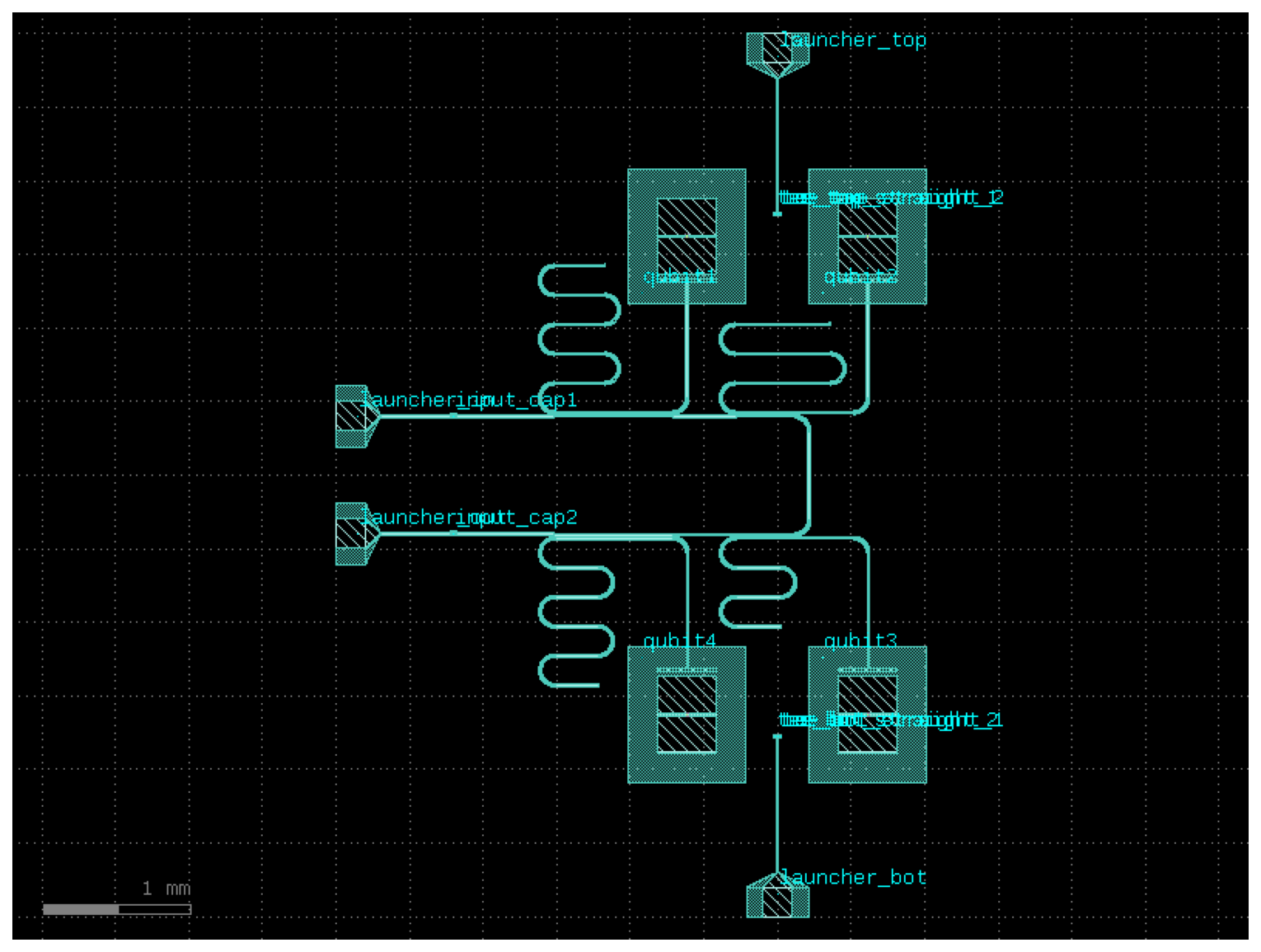
Qubit Test Chip#
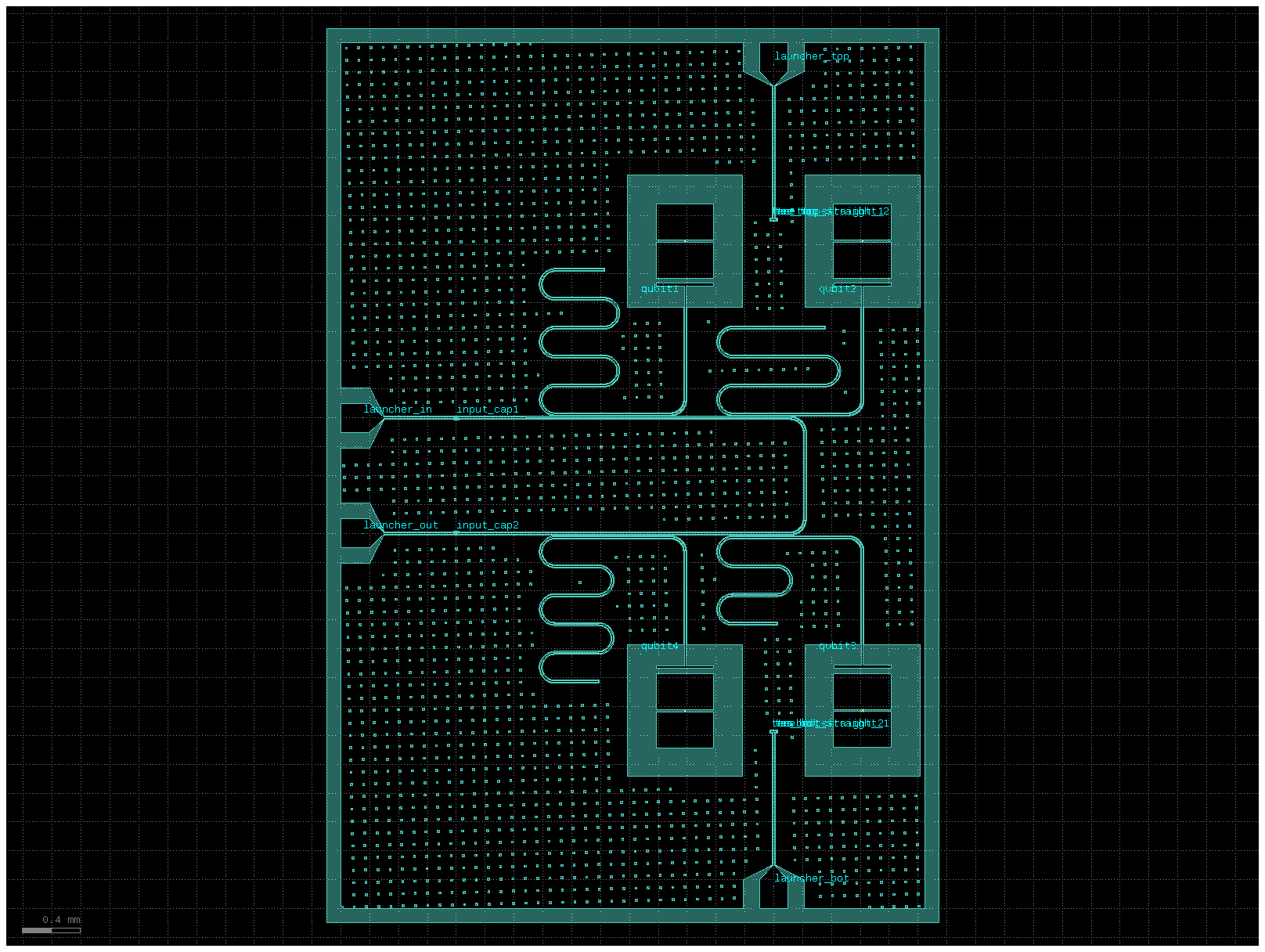
A four-transmon test chip with coupled readout resonators, probeline routing, flux lines, and launchers. Defined entirely in YAML.
Filled Qubit Test Chip#
The same qubit test chip with magnetic vortex trapping holes filling the ground plane and chip edges.
Flip-Chip (Flipmon) Test Chip#
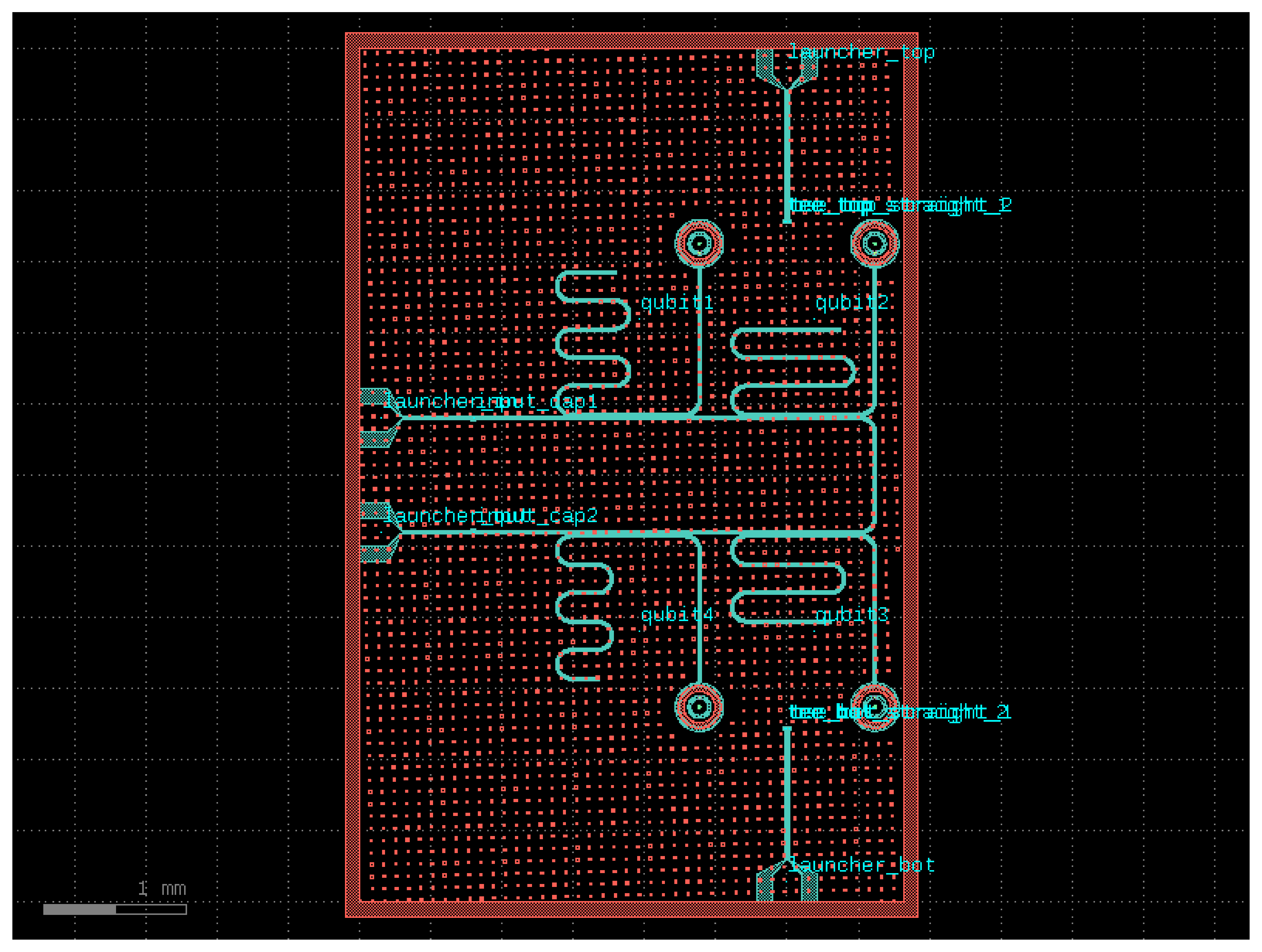
A four-flipmon test chip demonstrating flip-chip qubit integration with coupled readout resonators, interdigital capacitor inputs, probeline routing, and flux lines — shown here with ground-plane filling and chip edges.
Resonator Test Chip#
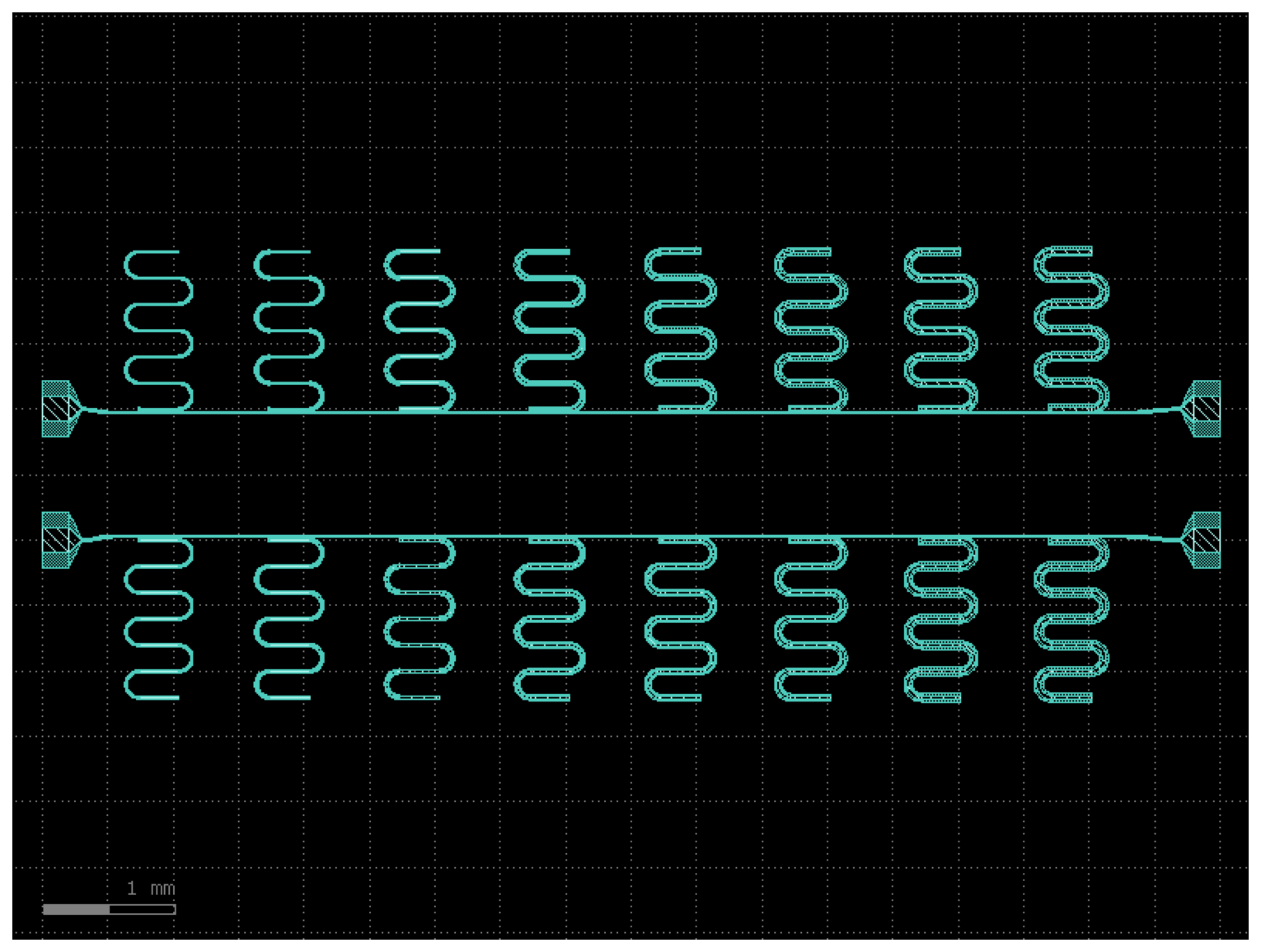
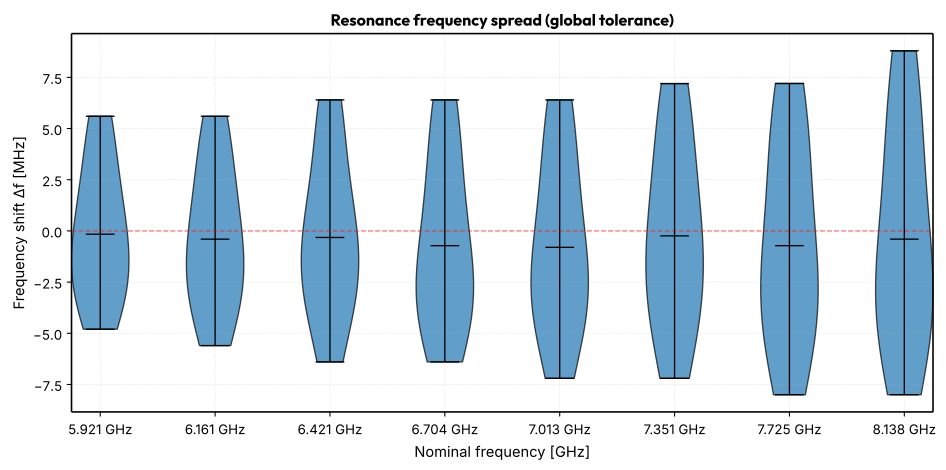
A 16-resonator characterization chip with systematically varied CPW widths and gaps across two probelines. Ideal for extracting loss tangents and kinetic inductance. Also check the notebook demonstrating network model simulations and fabrication tolerance Monte Carlo.
Simulation Showcase#
QPDK comes with worked examples for circuit, quantum, and electromagnetic simulation. Every figure below is taken from one of the example notebooks as rendered in the documentation. Click a title to open the full notebook.
Circuit & Network Models#
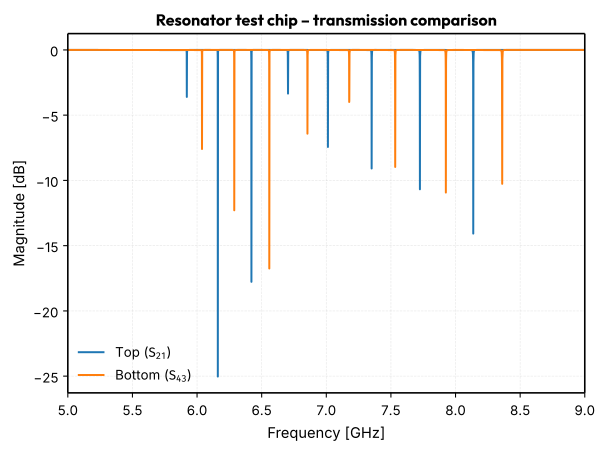
Both probelines of the 16-resonator chip, via SAX |
Resonance spread from CPW width and gap variations |
|
|
Quantum Dynamics & Hamiltonians#
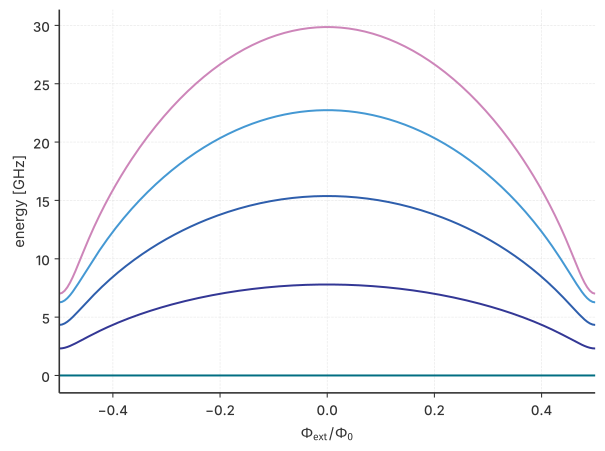
Energy levels versus external flux with scQubits |
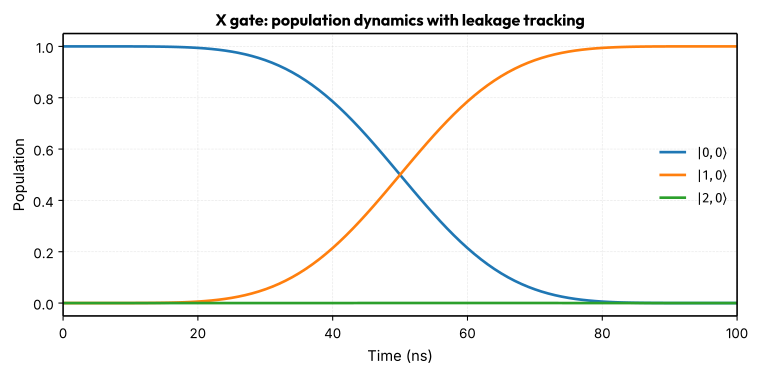
X-gate populations and leakage in QuTiP-QIP |
|
|
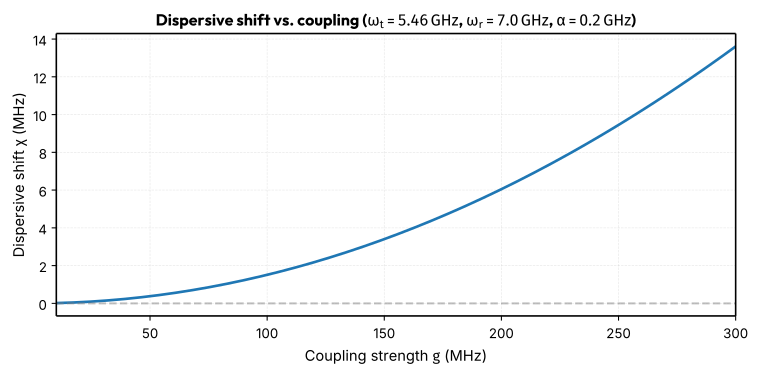
Block-diagonalized dispersive shift with Pymablock |
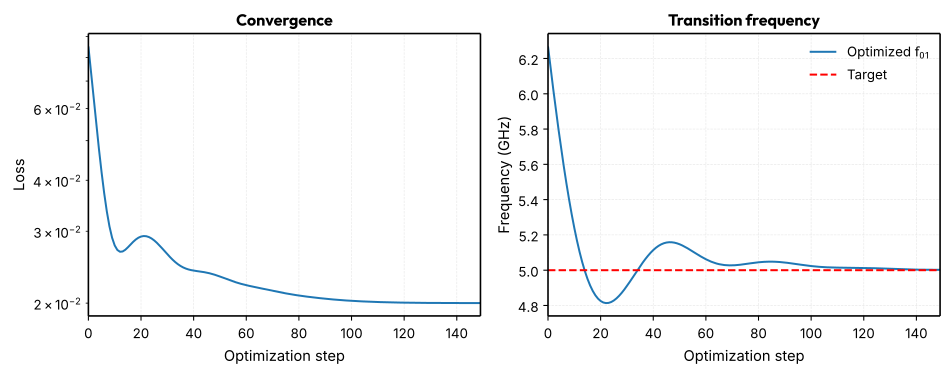
Circulax JAX gradients to target f and anharmonicity |
|
|
Electromagnetic Field Solvers#
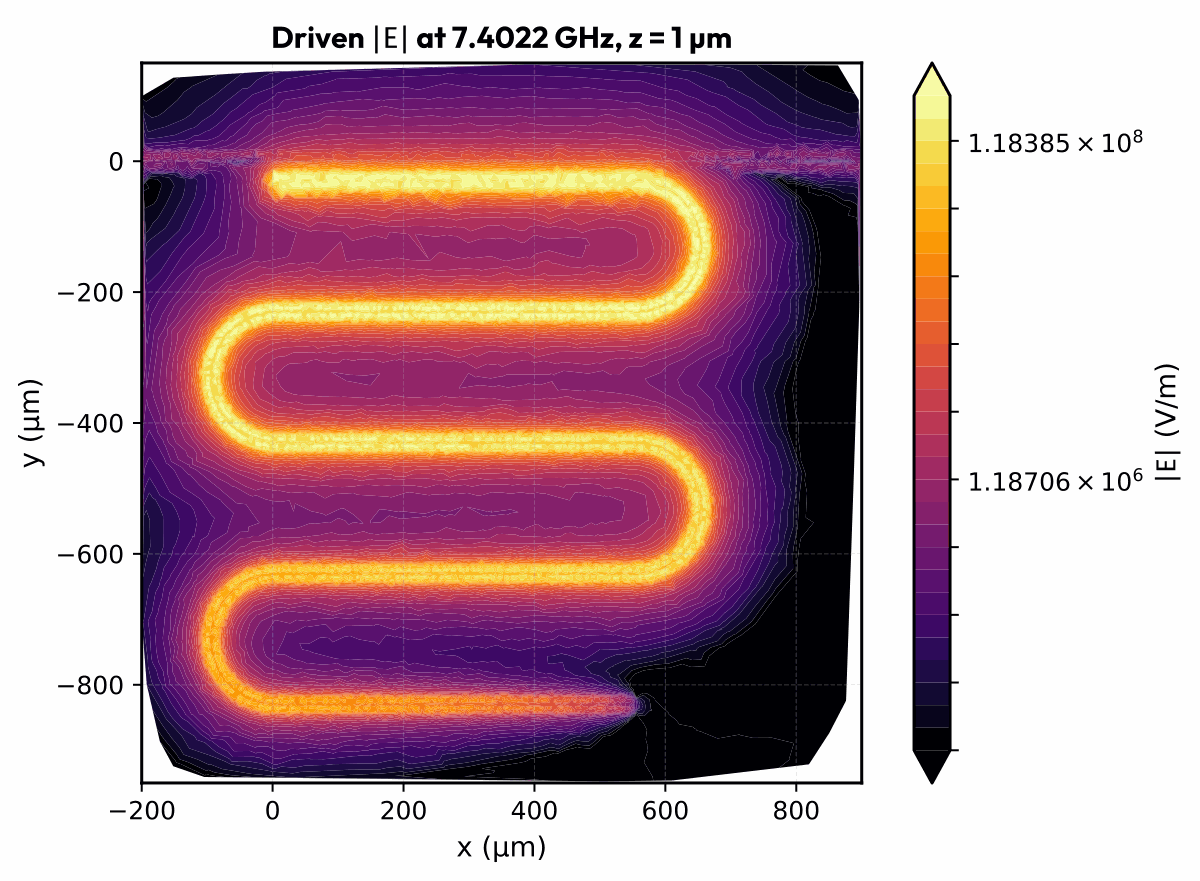
Driven E-field at resonance |
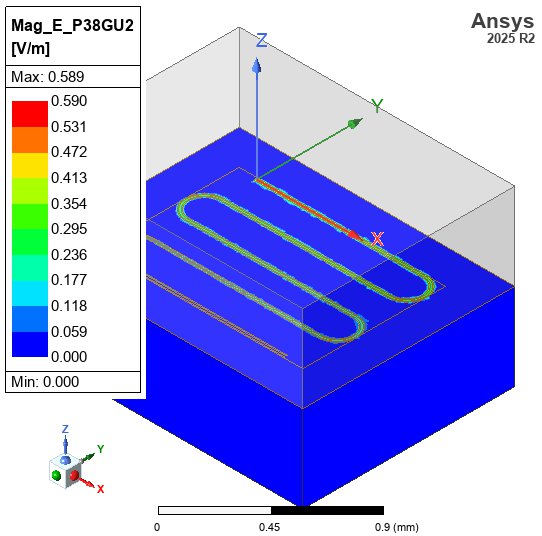
Meandered CPW eigenmode field |
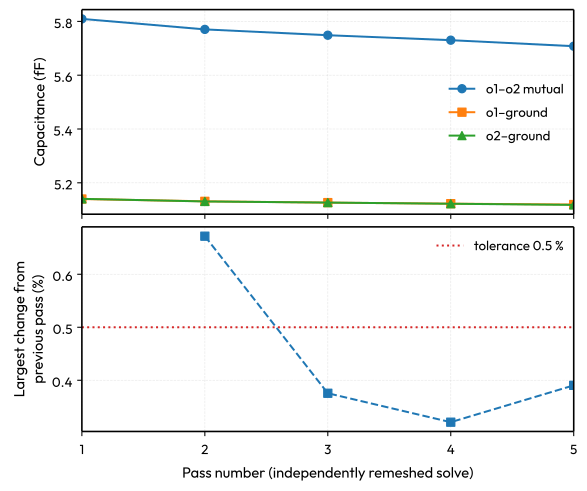
IDC capacitance vs. FEM remeshing |
|
|
|
COMSOL Transmon Capacitance — Electrostatic potential and field around the double-pad transmon:
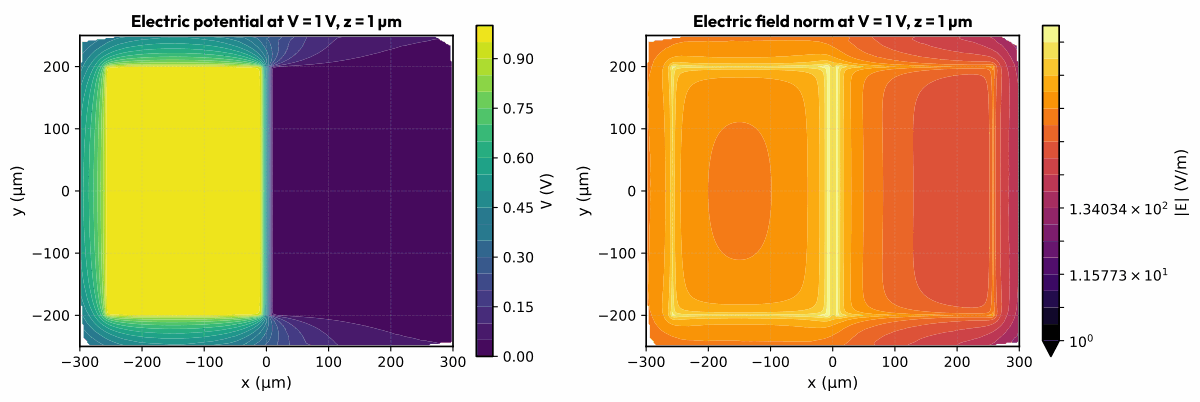
The same workflows extend to HFSS driven-modal and Q2D impedance analyses, Qucs-S model validation, and NetKet and Optuna optimization.
Quick Start#
import gdsfactory as gf
from qpdk import PDK

PDK.activate()

# Create a transmon qubit
from qpdk.cells.transmon import double_pad_transmon

qubit = double_pad_transmon(pad_size=(250, 400), pad_gap=15)
qubit.plot()
# Build a complete test chip from YAML
from gdsfactory.read import from_yaml
from qpdk import tech

chip = from_yaml(
    "qpdk/samples/qubit_test_chip.pic.yml",
    routing_strategies=tech.routing_strategies,
)
chip.show()  # Opens in KLayout
Graphical Workflow with GDSFactory+#
Prefer a visual workflow? QPDK runs in GDSFactory+, where you can place components in the schematic editor, inspect the layout, and run circuit simulations without leaving VSCode. The Quantum-RF graphical workflow tutorial walks through exploring and simulating a resonator with QPDK step by step.
Examples & Notebooks#
PDK cells in the documentation — Collection of all available geometries.
qpdk/samples/— Example layouts and simulations including qubit test chips, resonator arrays, routing demos, and 3D export.notebooks/— Jupyter notebooks covering:Resonator frequency modeling and S-parameter analysis
Circuit simulation with SAX
Monte Carlo fabrication tolerance analysis
Hamiltonian parameter extraction with scqubits
Pulse-level quantum gate simulation with QuTiP
Capacitor geometry optimization with Optuna
Dispersive shift calculation with Pymablock
Transmon design optimization with NetKet
GDSFactory+ Quantum-RF tutorial — Graphical design and simulation of a resonator with QPDK in GDSFactory+.
gsim example notebooks — Electromagnetic simulation examples using Palace and Meep with gdsfactory.
Installation#
We recommend using uv for package management. just is used
for project-specific recipes.
Installation for Users#
Install the package with:
uv pip install qpdk
Or with pip:
pip install qpdk
Optional dependencies for the analytical models and simulation tools (SAX, scqubits, JAX) can be installed with:
uv pip install "qpdk[models]"
models is one of several extras — hfss, circulax, netket, pymablock, qutip, ray, scqubits and graphics
pull in the remaining simulation backends, and extras compose ("qpdk[models,netket]"). See
Installing optional extras for
what each one installs and which notebooks need it.
KLayout Technology Installation#
To use the PDK in KLayout (for viewing GDS files with correct layers and technology settings), install the technology files:
python -m qpdk.install_tech
Note
After installation, restart KLayout to ensure the new technology appears.
Installation for Contributors#
For contributors, please follow the installation and development workflow instructions.
Project Structure#
quantum-rf-pdk/
├── qpdk/               Core Python package
│   ├── cells/          Component definitions (transmons, resonators, capacitors, …)
│   ├── models/         Analytical models, mostly S-parameters
│   ├── samples/        Example layouts and complete test chips
│   ├── klayout/        KLayout technology files
│   └── tech.py         Layer stack, cross sections, routing strategies
├── tests/              Regression, integration and unit tests
├── notebooks/          Jupyter notebooks for design and simulation workflows
└── docs/               Sphinx documentation (HTML + PDF)
Documentation#
Contributing#
We welcome contributions of all sizes: new components, improved models, bug fixes, documentation, and notebook tutorials. Please see the contributing guide to get started.
To build a PDK for your own fabrication process on top of QPDK, see Customizing QPDK for Your Process.
Support#
For commercial support, training, and custom PDK development, please visit gdsfactory+ (gdsfactory.com/plus).
License#
QPDK is released under the MIT License.