Netlist extractor YAML
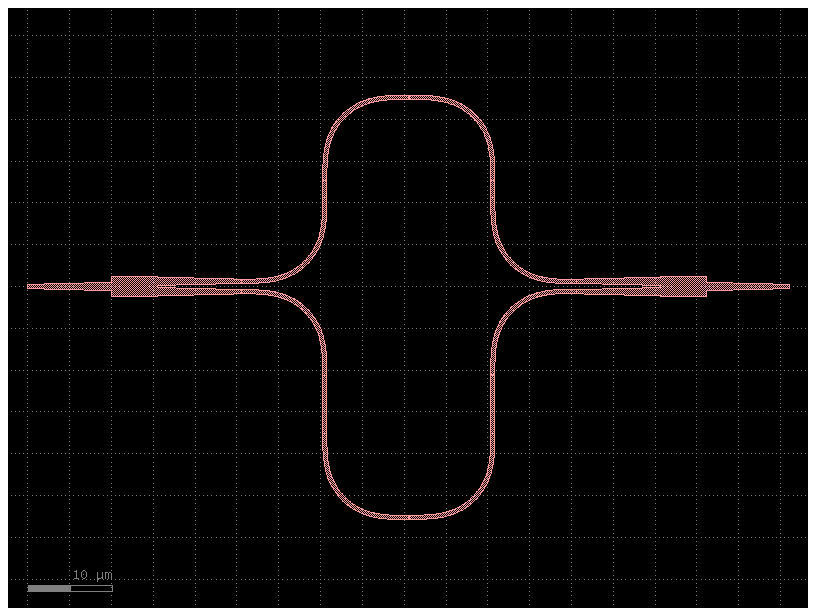
Any component can extract its netlist with get_netlist
While gf.read.from_yaml converts a YAML Dict into a Component
get_netlist converts Component into a YAML Dict
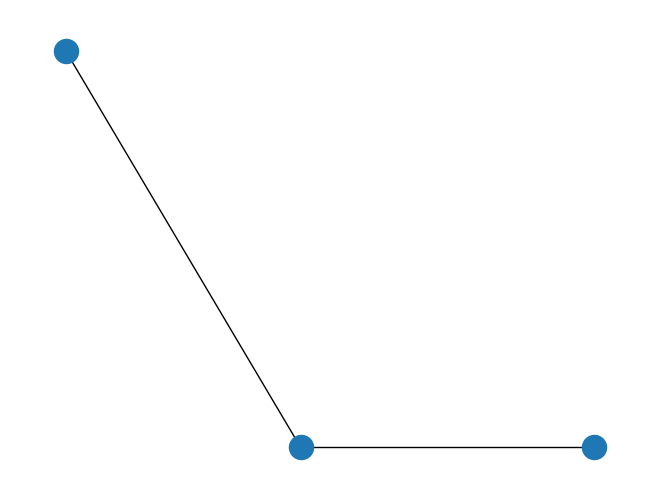
<networkx.classes.graph.Graph at 0x7f3f5abecf80>
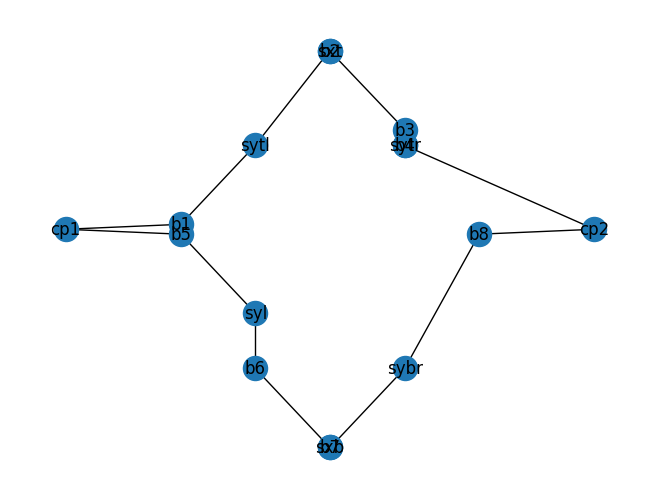
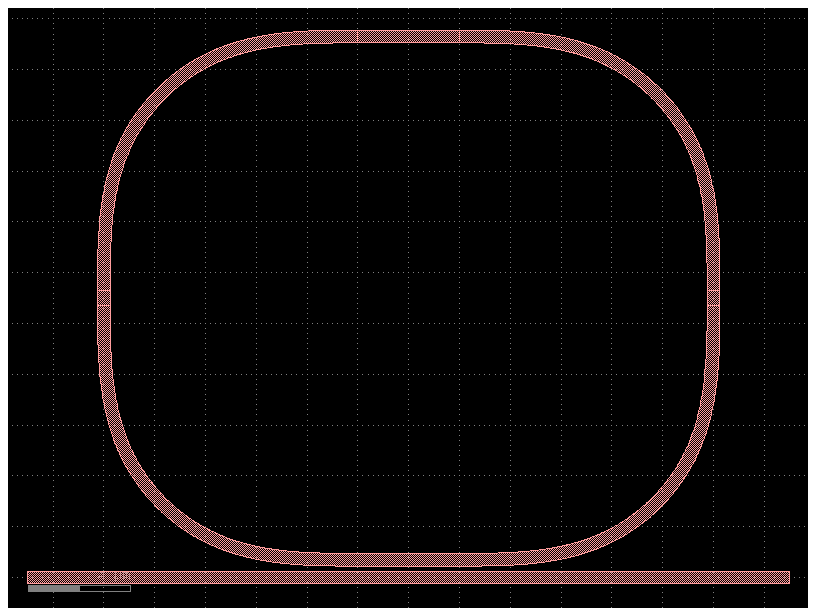
<networkx.classes.graph.Graph at 0x7f3f5aa51880>
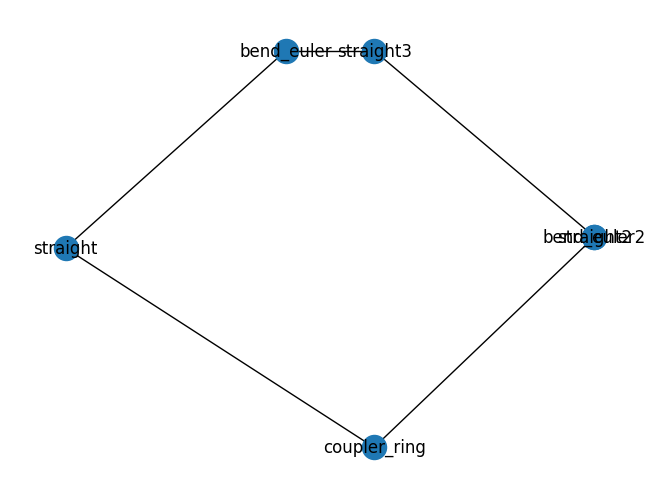
['bend_euler',
 'bend_euler2',
 'coupler_ring',
 'straight',
 'straight2',
 'straight3']
{'allow_min_radius_violation': False,
 'angle': 90,
 'angular_step': None,
 'cross_section': 'strip',
 'layer': None,
 'npoints': None,
 'p': 0.5,
 'radius': None,
 'width': None,
 'with_arc_floorplan': True}
Instance names
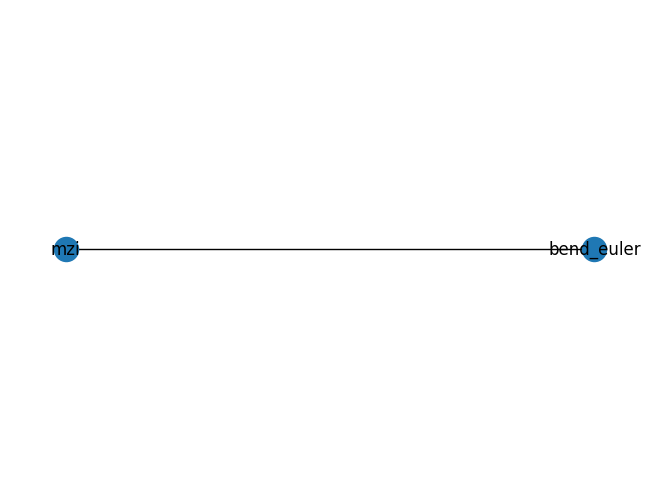
By default get netlist names each instance with the name of the reference
@gf.cell
def mzi_with_bend_automatic_naming():
    c = gf.Component()
    mzi = c.add_ref(gf.components.mzi())
    bend = c.add_ref(gf.components.bend_euler())
    bend.connect("o1", mzi.ports["o2"])
    return c


c = mzi_with_bend_automatic_naming()
c.plot_netlist()
/home/runner/work/gplugins/gplugins/.venv/lib/python3.12/site-packages/gdsfactory/component.py:577: UserWarning: Unconnected ports: ['bend_euler,o2', 'mzi,o1']
  return get_netlist(


<networkx.classes.graph.Graph at 0x7f3f5a47d730>
@gf.cell
def mzi_with_bend_deterministic_names_using_alias():
    c = gf.Component()
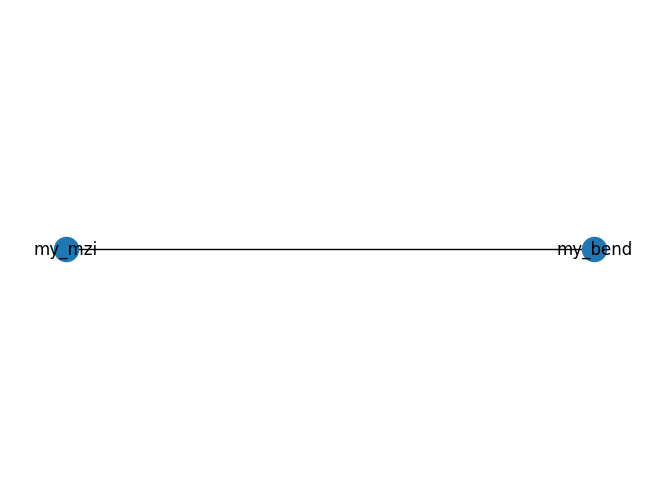
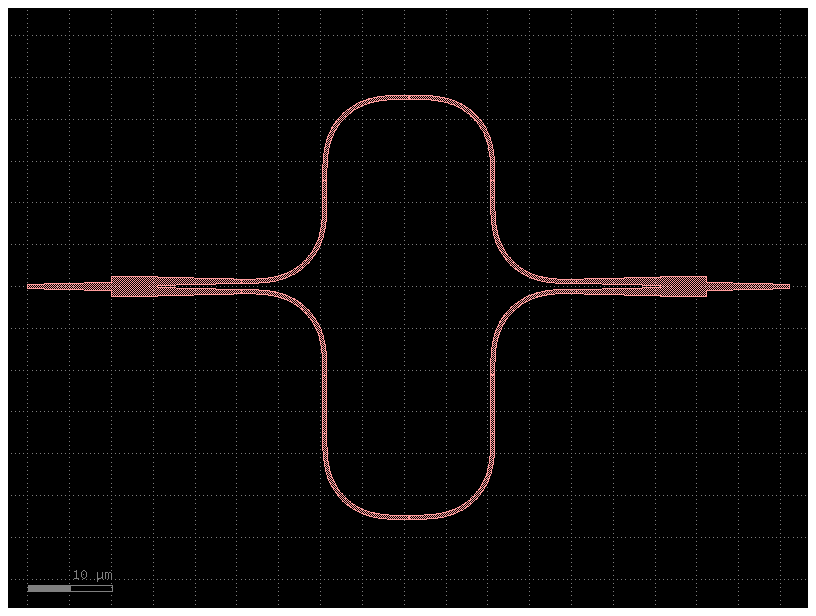
    mzi = c.add_ref(gf.components.mzi(), name="my_mzi")
    bend = c.add_ref(gf.components.bend_euler(), name="my_bend")
    bend.connect("o1", mzi.ports["o2"])
    return c


c = mzi_with_bend_deterministic_names_using_alias()
c.plot_netlist()
/home/runner/work/gplugins/gplugins/.venv/lib/python3.12/site-packages/gdsfactory/component.py:577: UserWarning: Unconnected ports: ['my_bend,o2', 'my_mzi,o1']
  return get_netlist(


<networkx.classes.graph.Graph at 0x7f3f5aa1d100>
dict_keys(['instances', 'placements', 'ports', 'nets'])
<networkx.classes.graph.Graph at 0x7f3f5a928a70>
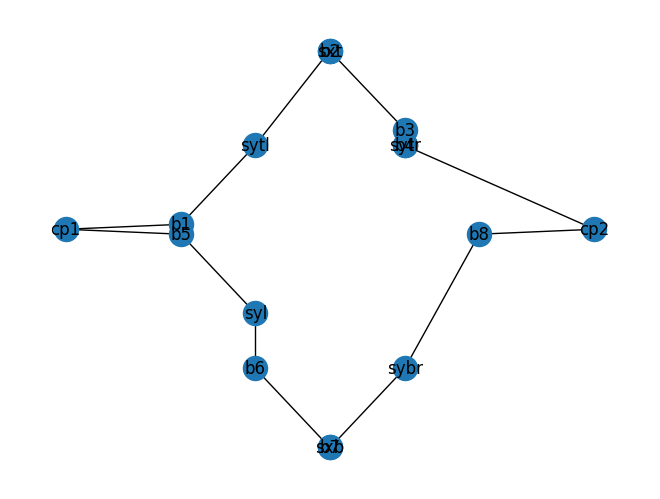
dict_keys(['instances', 'placements', 'ports', 'nets'])
warnings
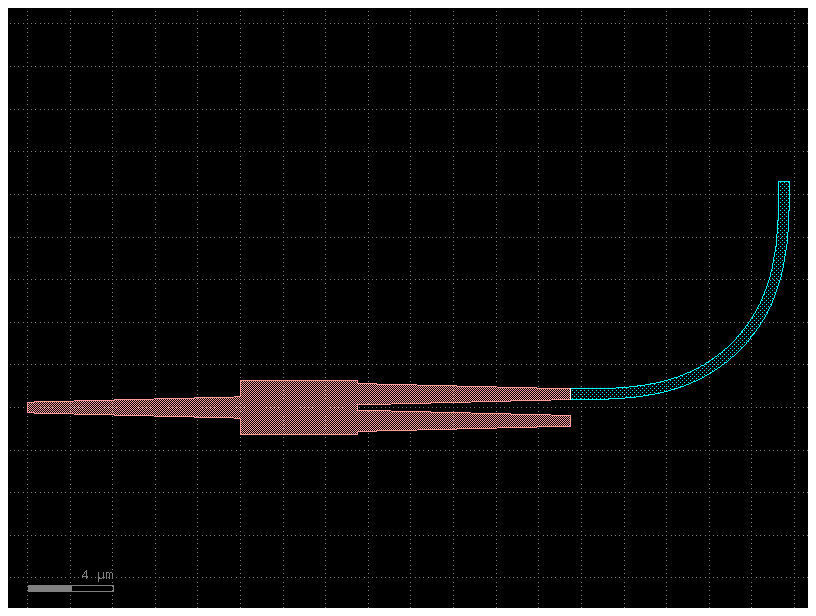
Lets make a connectivity error, for example connecting ports on the wrong layer
@gf.cell
def mmi_with_bend():
    c = gf.Component()
    mmi = c.add_ref(gf.components.mmi1x2(), name="mmi")
    bend = c.add_ref(gf.components.bend_euler(layer=(2, 0)), name="bend")
    bend.connect("o1", mmi.ports["o2"], allow_layer_mismatch=True)
    return c


c = mmi_with_bend()
c.plot()
/home/runner/work/gplugins/gplugins/.venv/lib/python3.12/site-packages/gdsfactory/component.py:577: UserWarning: Unconnected ports: ['bend,o2', 'mmi,o1', 'mmi,o3']
  return get_netlist(
{}
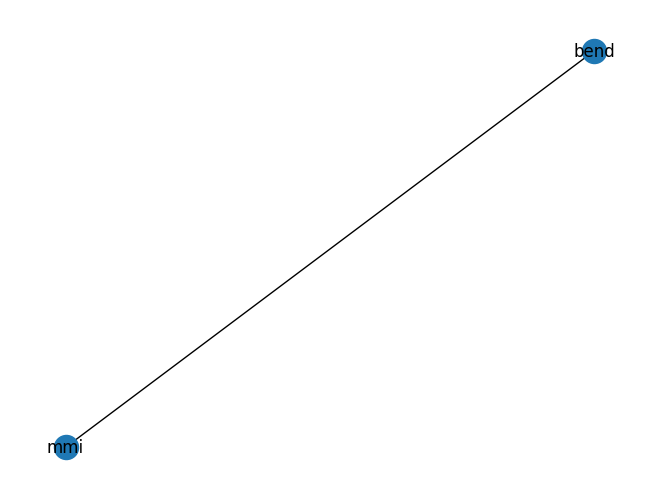
<networkx.classes.graph.Graph at 0x7f3f5a92a2a0>
get_netlist_recursive
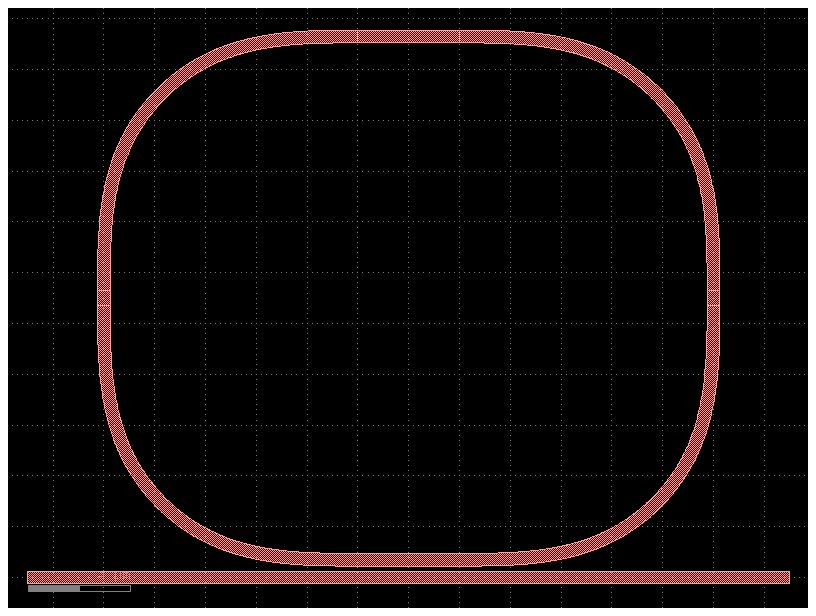
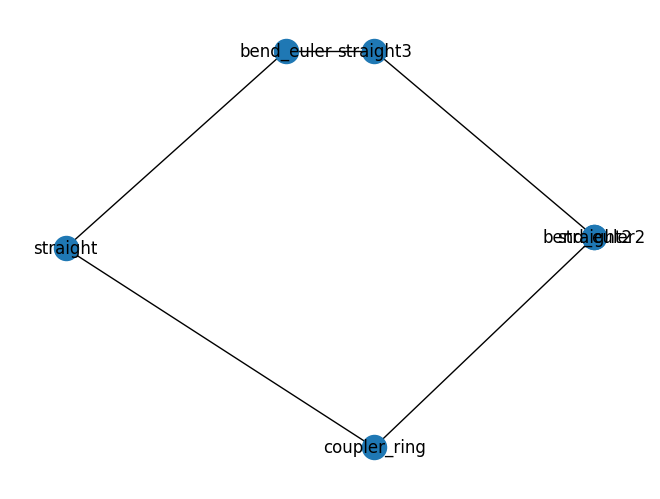
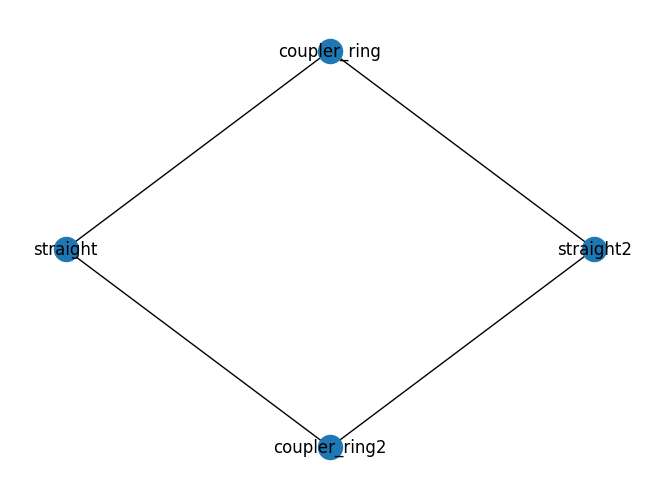
When you do get_netlist() for a component it will only show connections for the instances that belong to that component.
So despite having a lot of connections, it will show only the meaningful connections for that component.
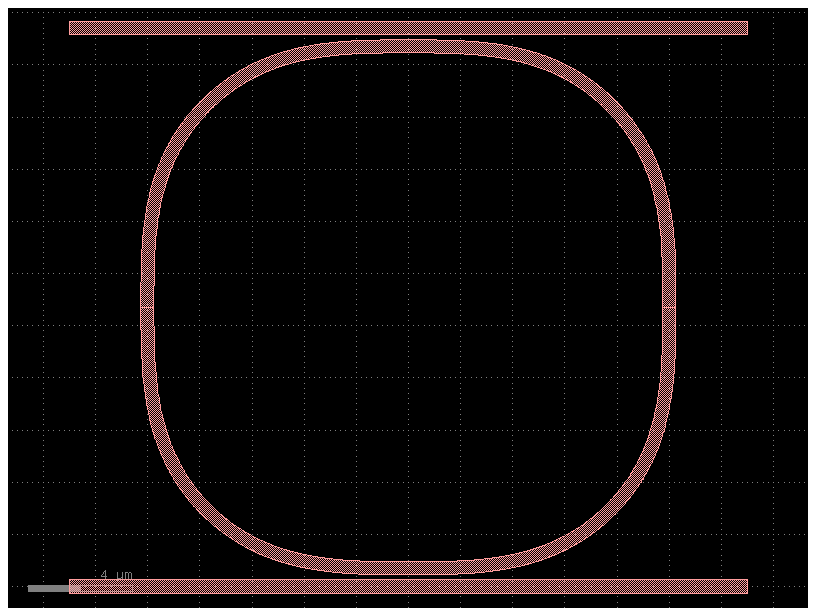
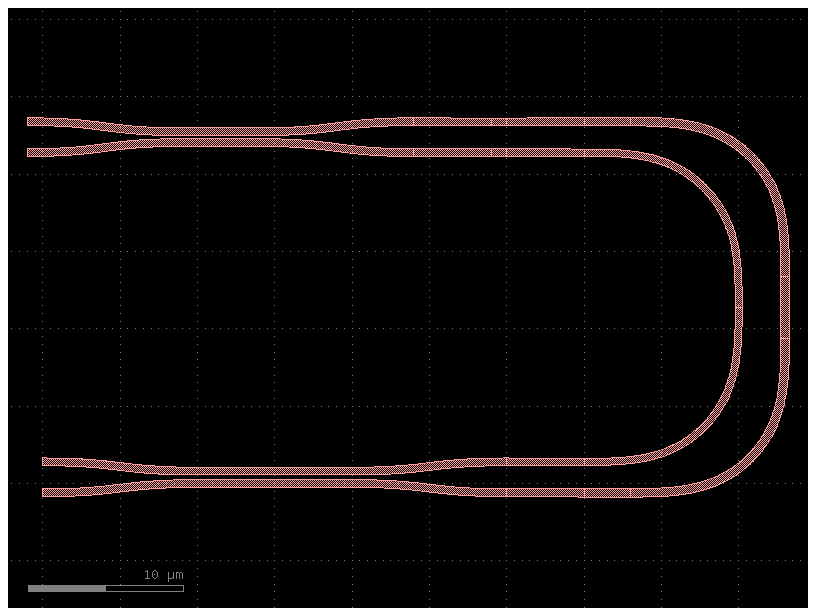
For example, a ring has a ring_coupler. If you want to dig deeper, the connections that made that ring coupler are still available.
get_netlist_recursive() returns a recursive netlist.
<networkx.classes.graph.Graph at 0x7f3f5aa3f5f0>
<networkx.classes.graph.Graph at 0x7f3f5ab319d0>
<networkx.classes.graph.Graph at 0x7f3f5ab35b50>
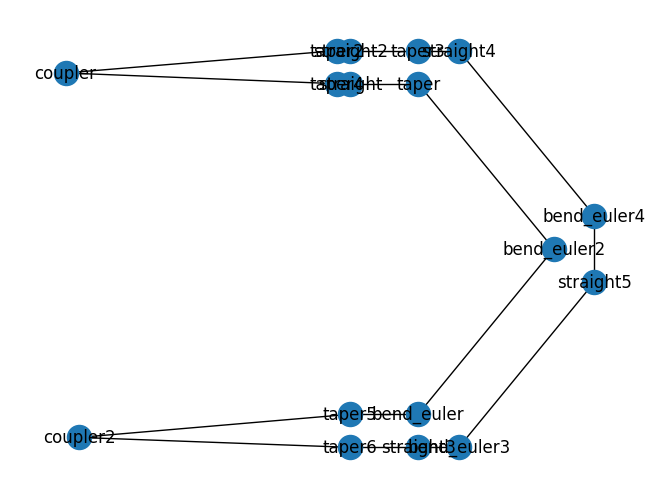
coupler_lengths = (10, 20, 30)
coupler_gaps = (0.1, 0.2, 0.3)
delta_lengths = (10, 100)

c = gf.components.mzi_lattice(
    coupler_lengths=coupler_lengths,
    coupler_gaps=coupler_gaps,
    delta_lengths=delta_lengths,
)
c.plot()
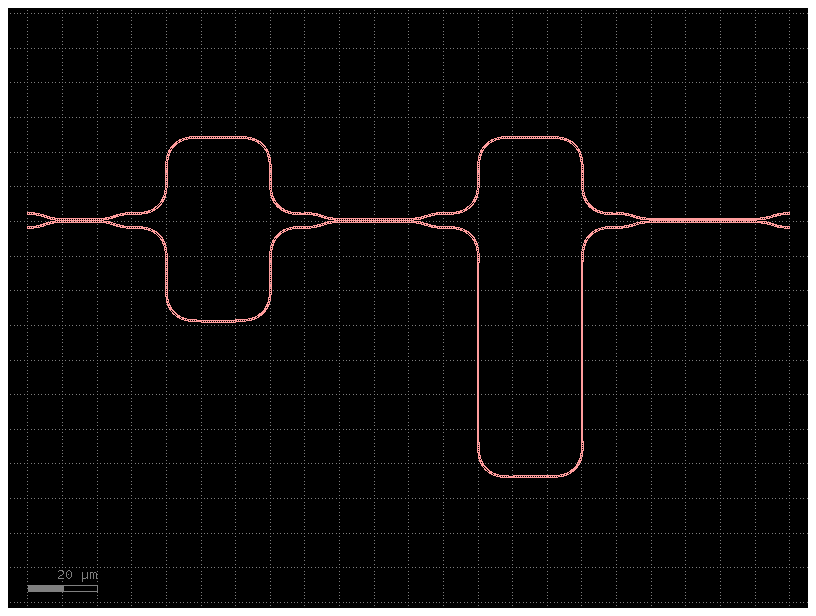
<networkx.classes.graph.Graph at 0x7f3f5abed850>
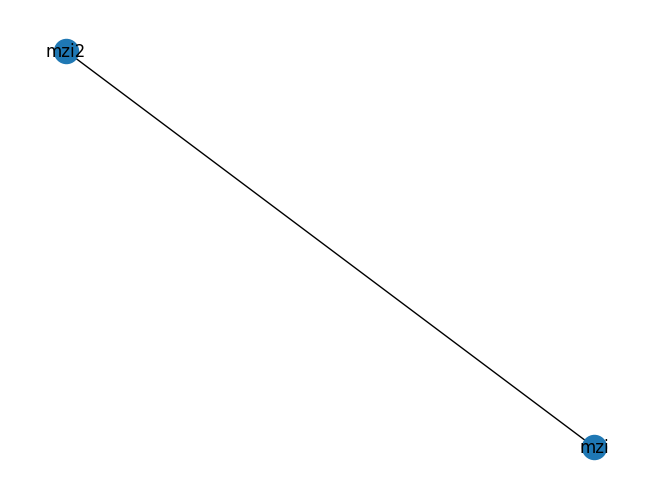
coupler_lengths = (10, 20, 30, 40)
coupler_gaps = (0.1, 0.2, 0.4, 0.5)
delta_lengths = (10, 100, 200)

c = gf.components.mzi_lattice(
    coupler_lengths=coupler_lengths,
    coupler_gaps=coupler_gaps,
    delta_lengths=delta_lengths,
)
c.plot()
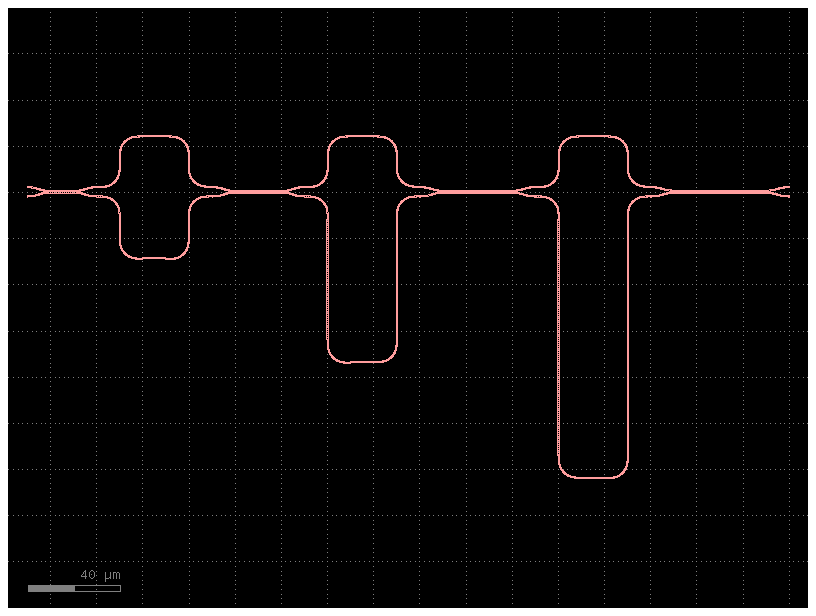
<networkx.classes.graph.Graph at 0x7f3f5aa1d640>
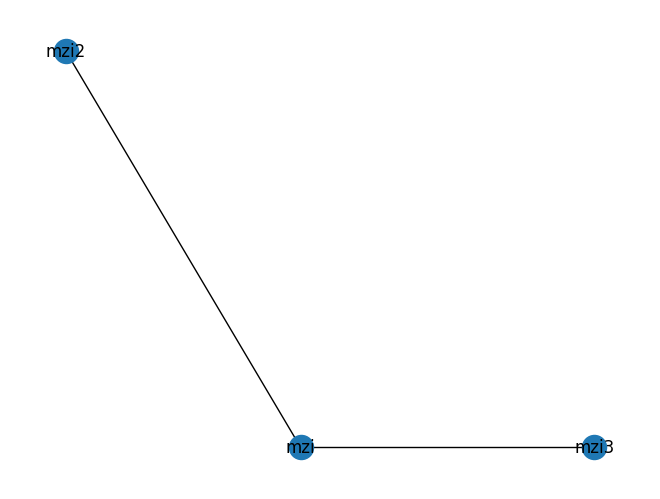
dict_keys(['mzi_lattice', 'mzi', 'mzi2', 'mzi3'])
Placement information is accumulated, and connections and ports are mapped, respectively, to the ports of the unique instances or the component top level ports. This can be plotted:
<networkx.classes.graph.Graph at 0x7f3f5a6d9d60>